Qalamkar
Qalamkar
How South Asian Women’s Clothing Brands Rise: Tradition, Luxury & Modern Innovation
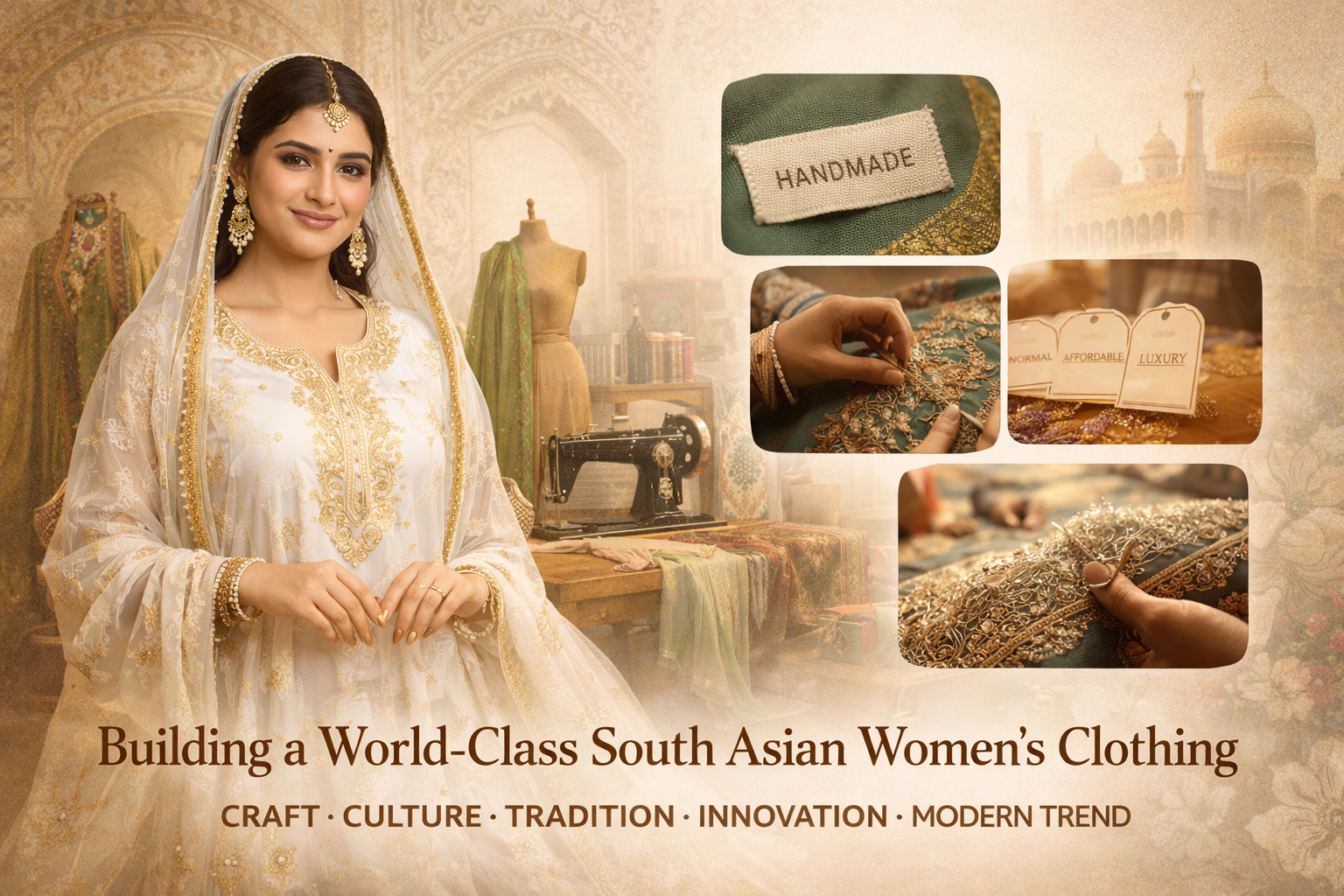
Understanding the Clothing Style of the Subcontinent
South Asian women’s wear is defined by a blend of heritage and contemporary style. The clothing style reflects:
Rich traditional fabrics (lawn, chiffon, organza, raw silk, velvet)
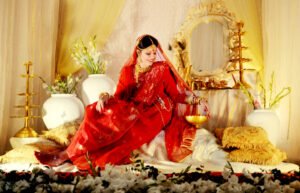
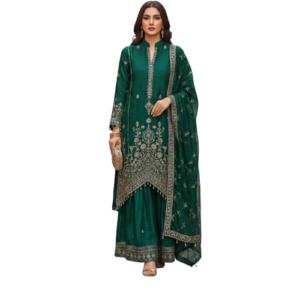
Intricate hand-crafted details (resham work, tilla embroidery, mirror work, block prints)
Cultural motifs inspired by Mughal, Persian, and regional art
Modern silhouettes blended with classic cuts
This balance between old and new is what makes the fashion from this region globally attractive.
The Emotional Feeling Behind the Clothing
Fashion here is more than aesthetic—it’s emotional. South Asian women choose outfits that express:
Elegance and femininity
Cultural identity
Festive and family traditions
Comfort in daily wear
Confidence in public and global spaces
A successful brand understands how clothing connects with personal and cultural emotions.
Cultural Roots: Why South Asia Inspires Timeless Fashion
The subcontinent has a deep history of textile craftsmanship. Elements that define its cultural richness include:
Regional styles: Punjabi, Sindhi, Kashmiri, Balochi, Bengali
Mughal-inspired embroideries
Vibrant festive color palettes
Traditional storytelling through motifs
A world-class brand respects this heritage while introducing modern interpretations.
Design Philosophy: Blending Tradition & Modern Style
A strong women’s clothing brand is built on a clear design philosophy. This includes:
Researching Cultural History
Designers explore historical archives, traditional motifs, and ancient embroidery styles.
Reimagining Classic Designs
Traditional angrakhas, frocks, and salwar kameez are redesigned for modern comfort.
Prioritizing Wearability
People want lightweight, breathable, functional clothing without losing elegance.
Visual & Brand Storytelling
Campaign shoots showcase lifestyle, culture, and the beauty of craftsmanship.
Trends That Shape Today’s South Asian Woman
The modern woman prefers clothing that is:
Minimalistic but luxurious
Comfortable for daily use
Culturally rooted but globally appealing
Sustainable and handcrafted
Fusion-friendly (traditional fabrics with modern cuts)
Brands must stay updated through continuous trend research and forecasting.
Pricing Strategy: Balancing Luxury and Accessibility
Pricing makes or breaks a fashion brand. Successful labels maintain:
Premium Category
Hand embroidery
Superior fabrics
Limited edition pieces
High-end packaging
Mid-Range Category
Semi-embroidered suits
Printed lawn
Ready-to-wear casual fashion
Consumers pay more when they see craftsmanship, durability, and aesthetic identity.
The Power of Fabric & Color Combination
Fabric selection defines a brand’s seasonal identity:
Lawn for summer collections
Velvet and jacquard for winter
Chiffon and silk for festive wear
Organza for luxury pret
Color choices vary by season:
Pastels in summer, jewel tones in winter, and gold tones for weddings & festive events.
Innovation Through Continuous Research
To stay competitive, brands invest in:
New fabric technologies
Improved embroidery techniques
Researching global fashion weeks
Testing modern silhouettes
Experimenting with textures, dyeing methods, and trims
Innovation ensures a brand feels fresh while staying true to cultural identity.
How to Build a World-Class Women’s Clothing Brand
A globally recognized brand requires multiple strengths:
Authentic Craftsmanship
Handmade details give South Asian clothing its signature luxury feel.
Consistency in Quality
From stitching to fabric finishing, every detail matters.
Strong Branding & Storytelling
Brands that tell emotional and cultural stories grow faster.
Great Customer Experience
Brands must focus on shipping, support, packaging, and post-purchase experience.
International Reach
Marketing to the global South Asian diaspora expands brand visibility.
Conclusion
South Asian women’s fashion is a unique blend of heritage, luxury, craft, and modern style. Brands like Qalamkar showcase how powerful clothing becomes when tradition and innovation work together. As fashion from Pakistan and the subcontinent continues to shine globally, the future of women’s ethnic wear is brighter than ever.
Fashion here isn’t just clothing—
It’s identity. It’s art. It’s culture.